The Ledger
Every work, with its receipts: what it is, where it came from, how it was built and the rules we held it to. When a source is thin, the ledger says so.
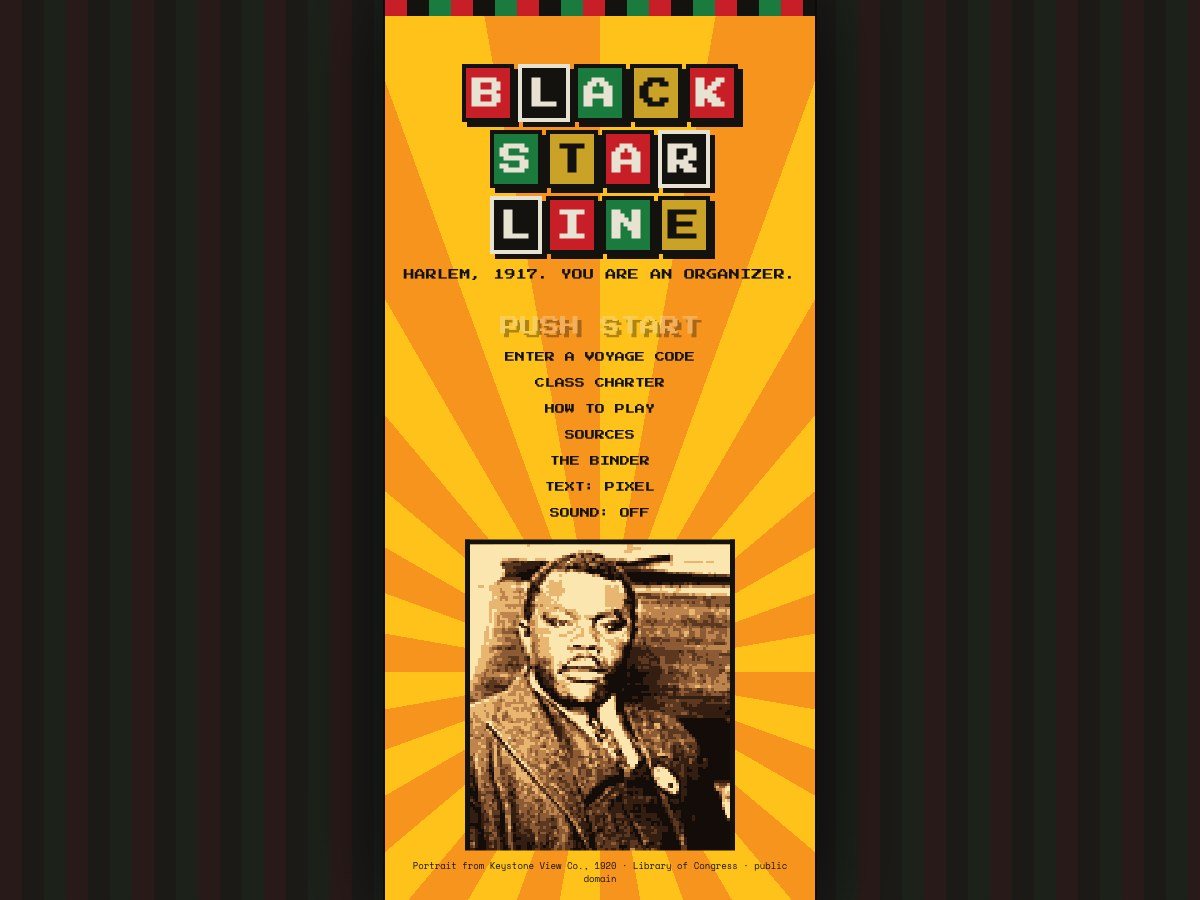
The Black Star Line is usually told as a punchline or a fraud trial. Inside the UNIA it was a bet on Black-owned shipping that members bought into at five dollars a share. The game puts you in an organizer’s seat from July 1917 to June 1923, so the meetings, the money and the government pressure arrive as choices you have to make.
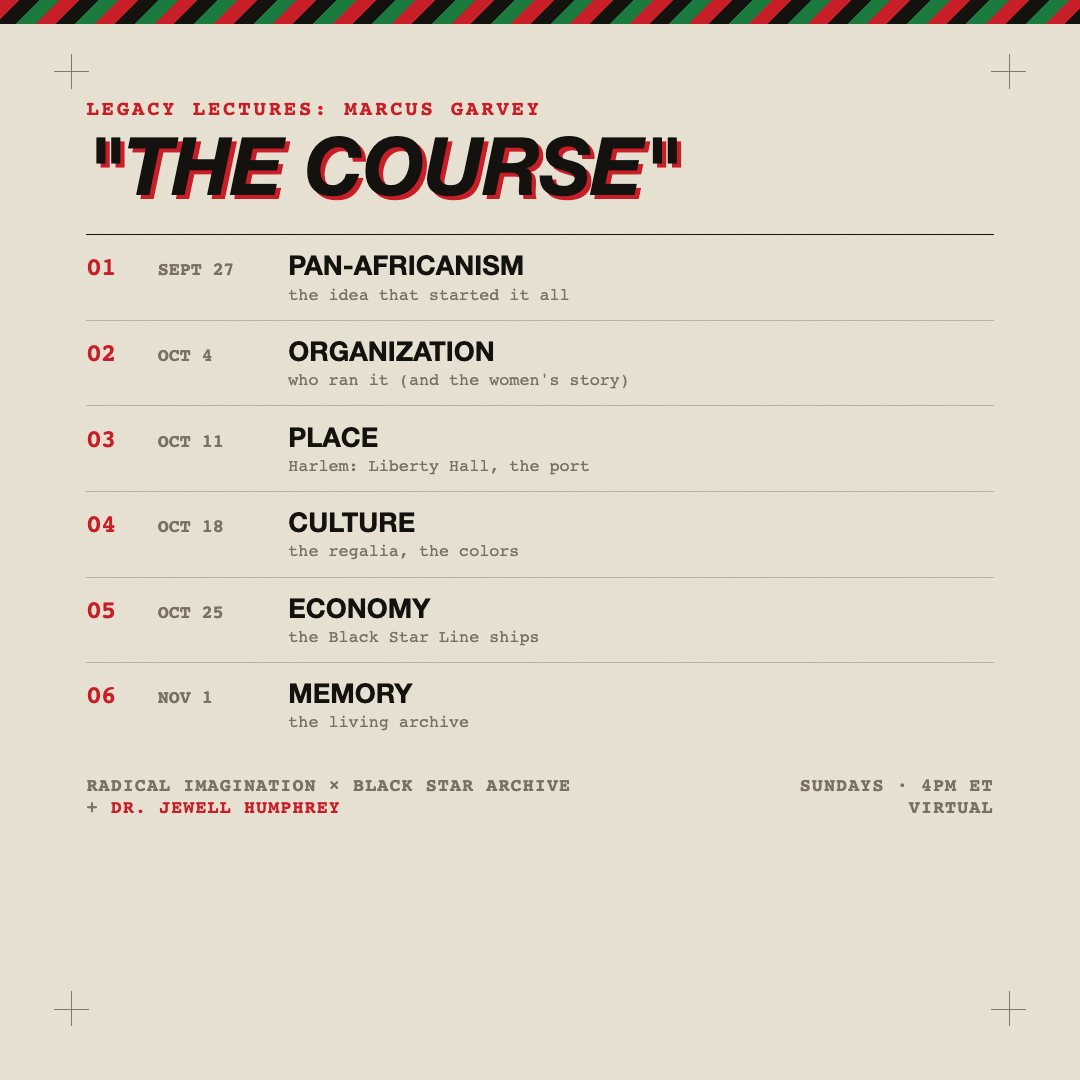
A free class on Garvey’s legacy, built with Black Star Archive and Dr. Jewell Humphrey. Each Sunday took one theme: Pan-Africanism, organization, place, culture, economy and memory. Every week offered something to watch, listen to or read, and nothing was graded.
Recordings stay private until every participant has said yes.
Marcus Garvey’s voice was among the most widely circulated Black voices of his time, and among the most watched by the state. Ask the archive a question and it answers with his own words, each passage cited.
The invitation opens on the SS Yarmouth and a government file. What the Bureau of Investigation redacted stays visible as redaction, not erased as absence.
Study notebooks for political education, built source first. Every volume starts from a registered corpus of primary sources with full provenance: verified, put in context, and read for what each source opposes and what it proposes.
For the Paris Exposition of 1900, W.E.B. Du Bois and his team at Atlanta University drew data portraits of Black life in Georgia and the United States. We opened our first exhibition with them on February 14, in a church: True Zion Gospel Temple in Queens. Seven formats in one room: museum curation, VR, AR, a projection, live calligraphy by Jahaziel Israel, code notebooks and a period playlist.
The CUNY Public Interest Technology Lab saw the work in March and asked us back to the WTC Oculus for Juneteenth, June 19 to 21.
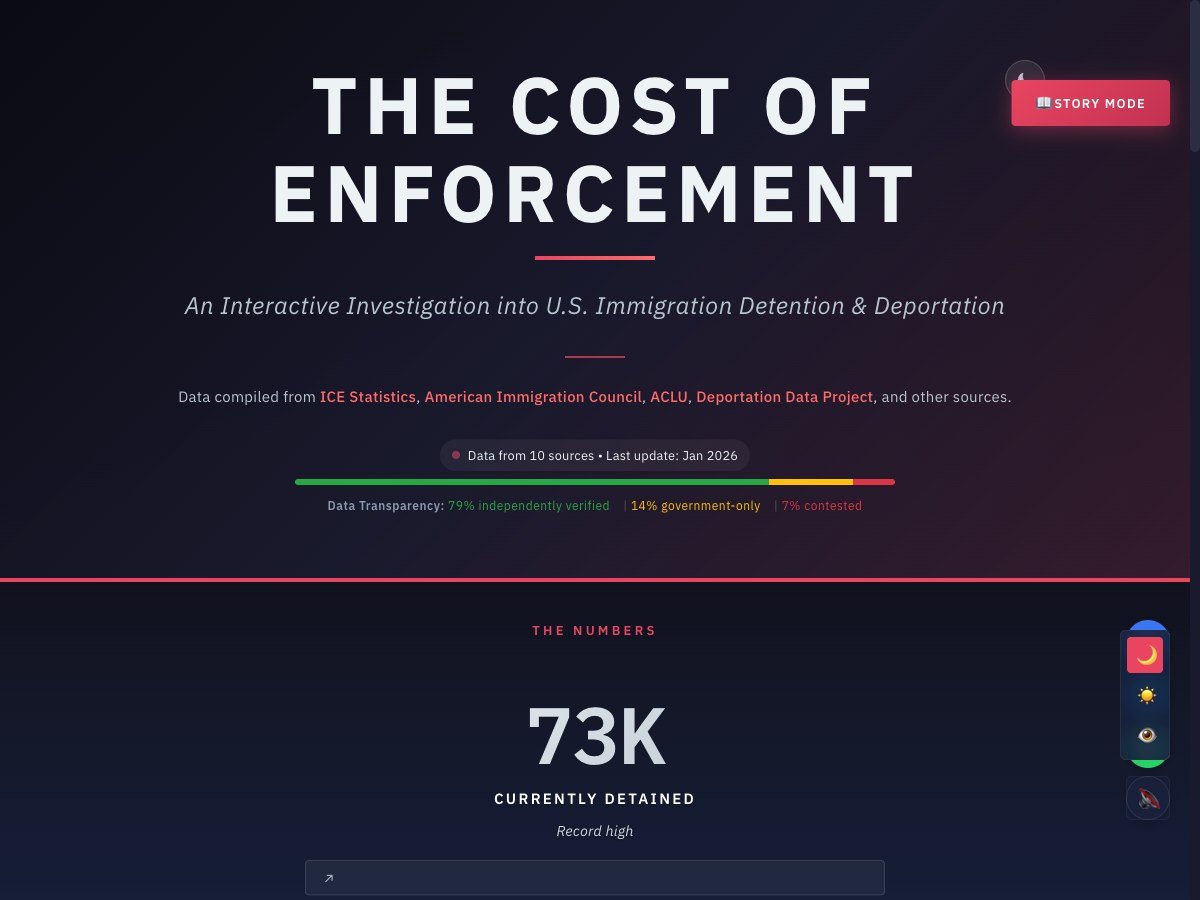
Immigration enforcement data is public in name and hard to read in practice. Watchtower makes it legible: who is held, what it costs, who profits from the contracts. The name flips the gaze. The dashboard watches the watchers.
Frederick Douglass delivered “What to the Slave Is the Fourth of July?” on July 5, 1852. The experience stages the speech in seven scenes, from the hall’s pageantry to the turn, “not mine,” through the indictment to the closing hope. It is built around the year the country turned 250.
Ida B. Wells investigated lynchings across the South and published the numbers herself. The archive answers in her words, and its data portraits are drawn from the records she compiled.
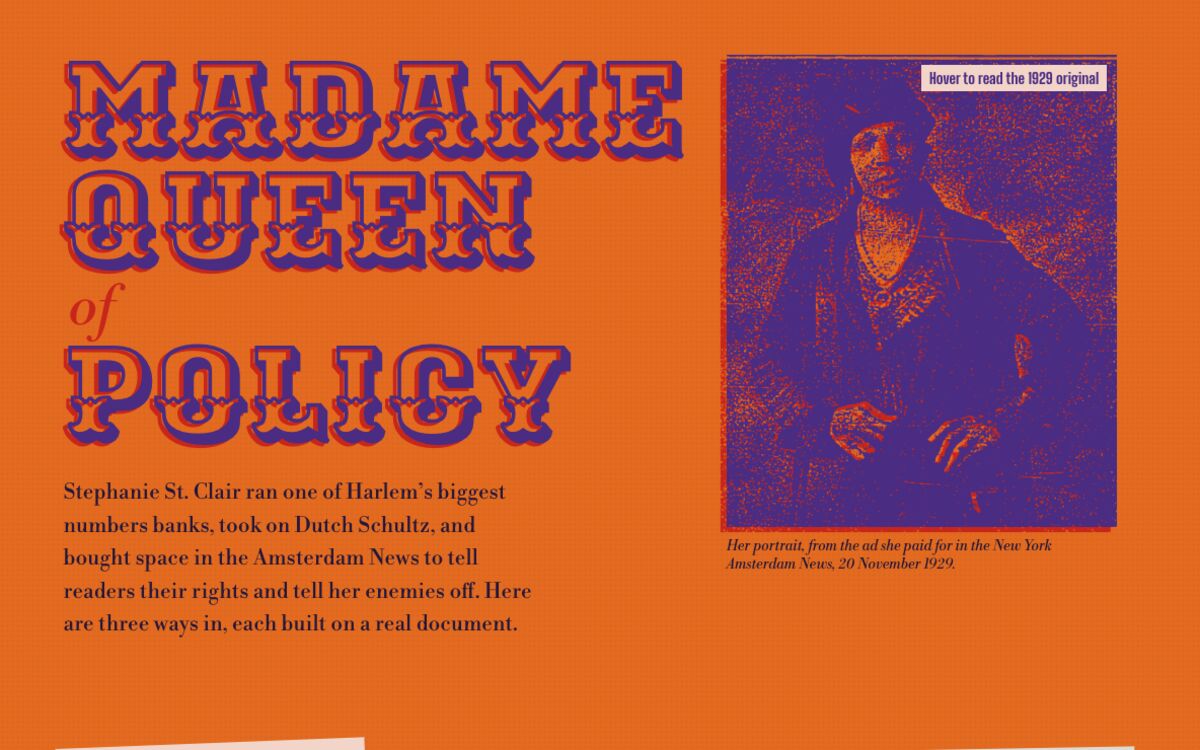
The numbers game was Harlem’s own bank and its own tax on the poor. Stephanie St. Clair ran one of its biggest banks, testified against police corruption in 1930, stood against Dutch Schultz’s takeover and bought space in the Amsterdam News to tell readers their rights. You play her game, and the cost stays on the same card: what the house took, and the force she used too.
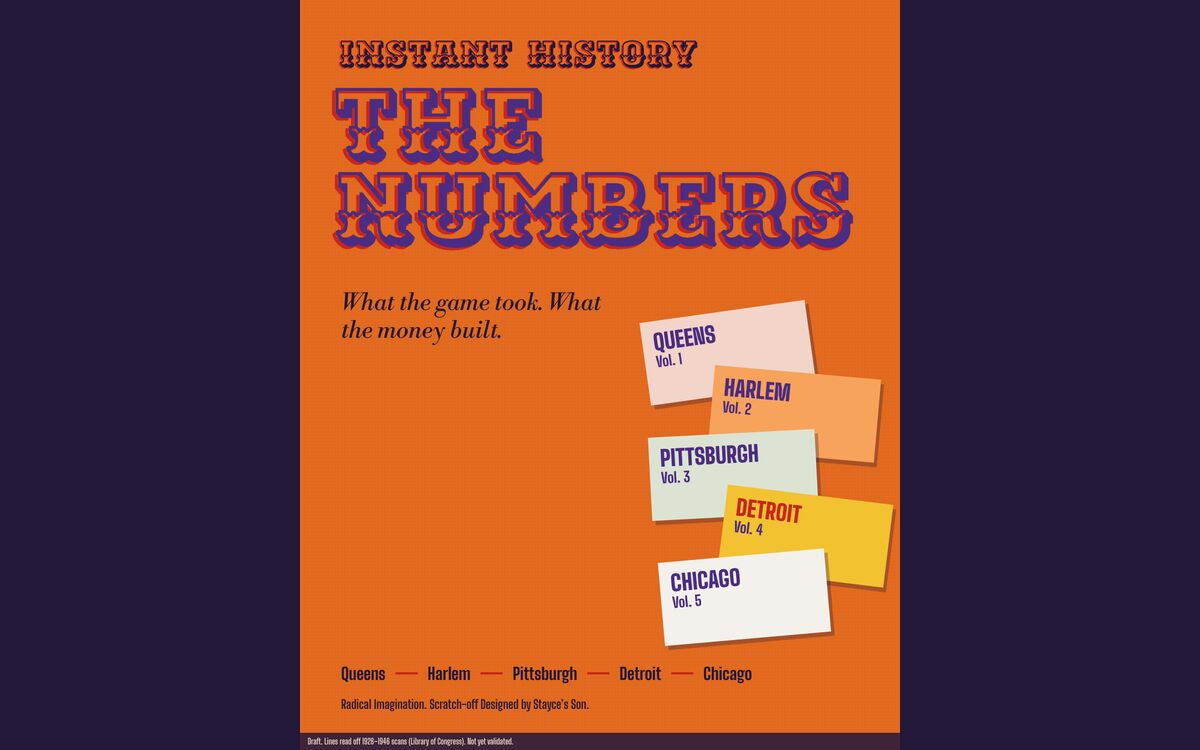
Shut out of banks, Black neighborhoods ran their own lottery, and a few of its bankers put the money back into their blocks. The series starts at home in Queens, then goes to Harlem, Pittsburgh, Detroit and Chicago. Each card takes the form of its story: a policy slip, a dream book, a scorecard, a fight poster, a store receipt.
Victor H. Green’s guide told Black travelers where they could eat, sleep and buy gas. You ride at night with a touring band, open the 1948 edition on the dash and pull up where it sends you. The first stop is the Rossonian Lounge on Welton Street in Denver, listed on page 17.